How do rats get into a crawl space?
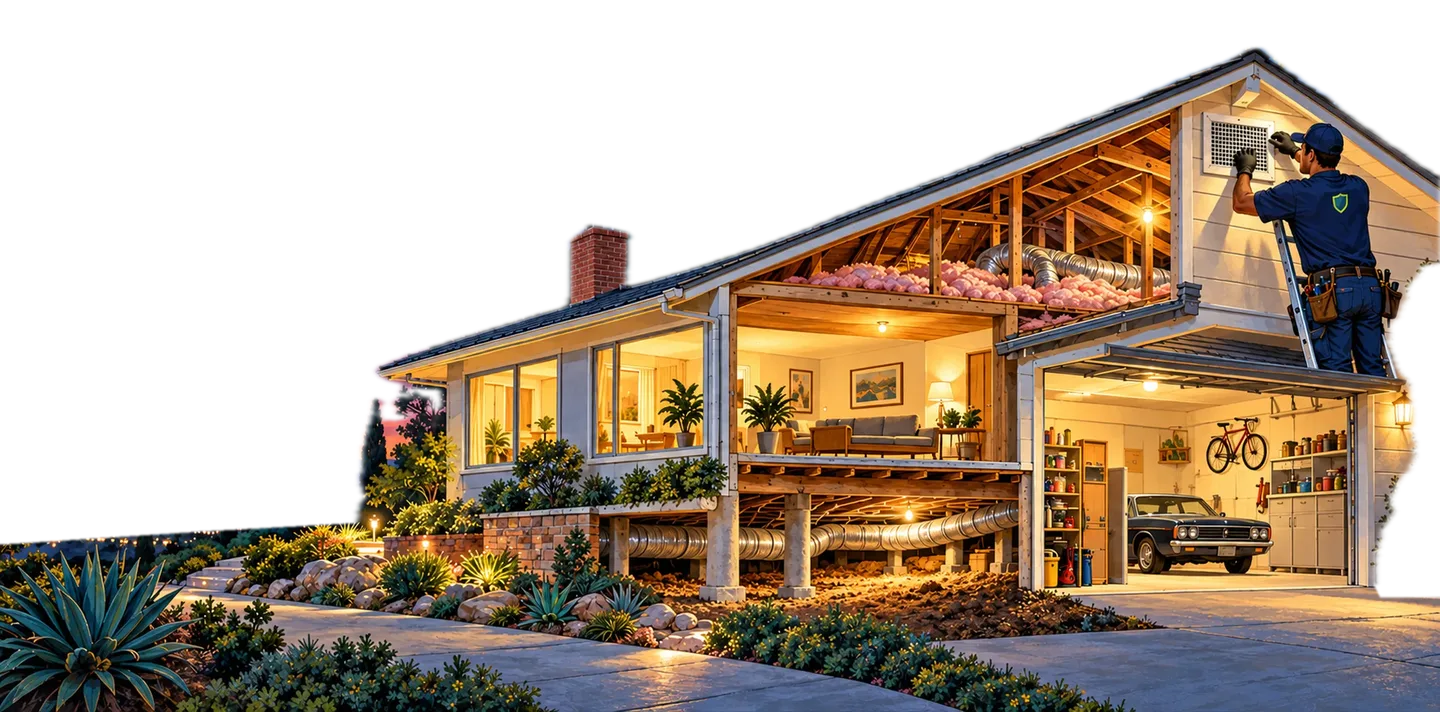
Through openings at ground level. Many Bay Area homes sit on raised foundations, with a dirt crawl space and a row of foundation vents around the house. A torn vent screen, a gap around a pipe or a loose access door is enough.
The University of California says Norway rats build burrows along building foundations, and indoors they tend to stay in basements or on the ground floor. Under a raised house, the crawl space is that ground floor. Roof rats are climbers: they usually nest up high, in attics and walls, and climb down to look for food. UC says to seal every hole larger than 1/4 inch, and notes that young rats can squeeze under a door with only a 1/2-inch gap (UC IPM rat guide).
Signs of rats under the house
- Scratching or scurrying under the floor at night. UC says rats are mostly active at night.
- A musty or ammonia-like smell in rooms above the crawl space. See why a crawl space smells.
- Torn or pushed-in screens on the foundation vents, often with droppings nearby.
- Dug-out soil or burrow holes along the foundation.
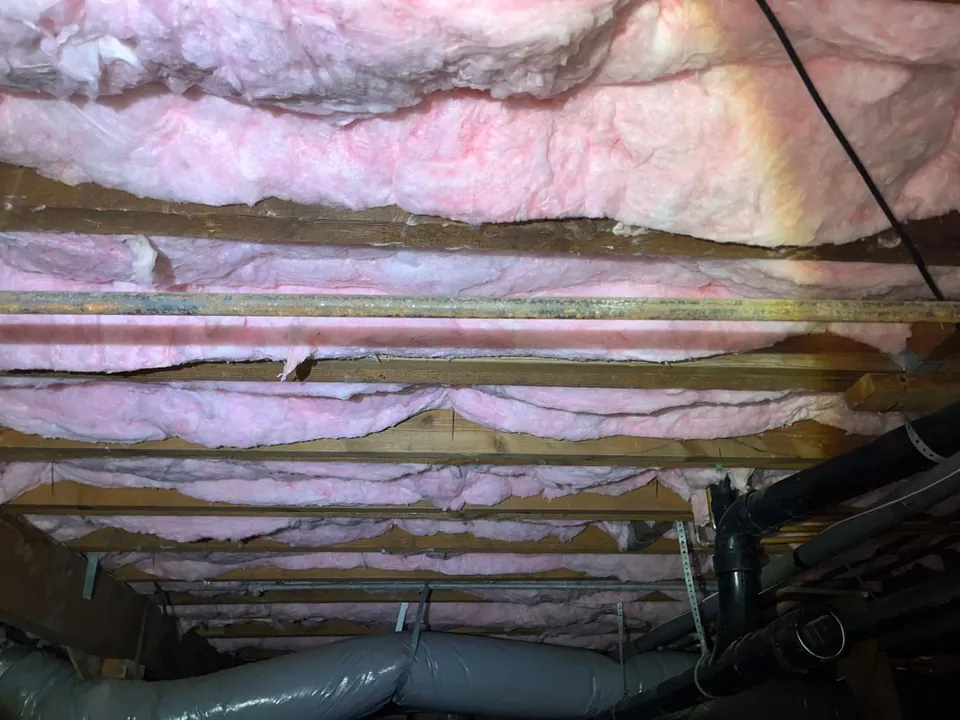
- Fallen batts or torn ducts if you can see in from the access door.
What should I do first?
Look from outside, and keep out of the crawl space for now. Walk around the house and note any torn vent screens, gaps around pipes and burrows by the foundation. That list helps at the inspection.
Don’t crawl in and stir up droppings. The CDC says never to sweep or vacuum rodent droppings or nests, because that puts germs into the air. Wear gloves if you must touch anything.
What not to do
- Don’t put poison under the house. UC says all rodenticides are toxic to pets and people too, and warns that poisoned rats can come inside to die. If one dies under the floor, you smell it in the rooms above. We don’t use poison.
- Don’t board up the foundation vents. The vents let the crawl space breathe, and blocking them can trap moisture under the house.
- Don’t rely on traps alone. New rats move in through the same openings. See why traps alone don’t work.
How do you get rats out of a crawl space for good?
Close the ways in, then remove the rats already inside. UC calls exclusion, or “building them out,” the most successful and longest-lasting way to control rats around buildings. This is the order we follow:
- Inspect. We check the crawl space, the attic, the garage and the outside, including the ground along the foundation for burrows.
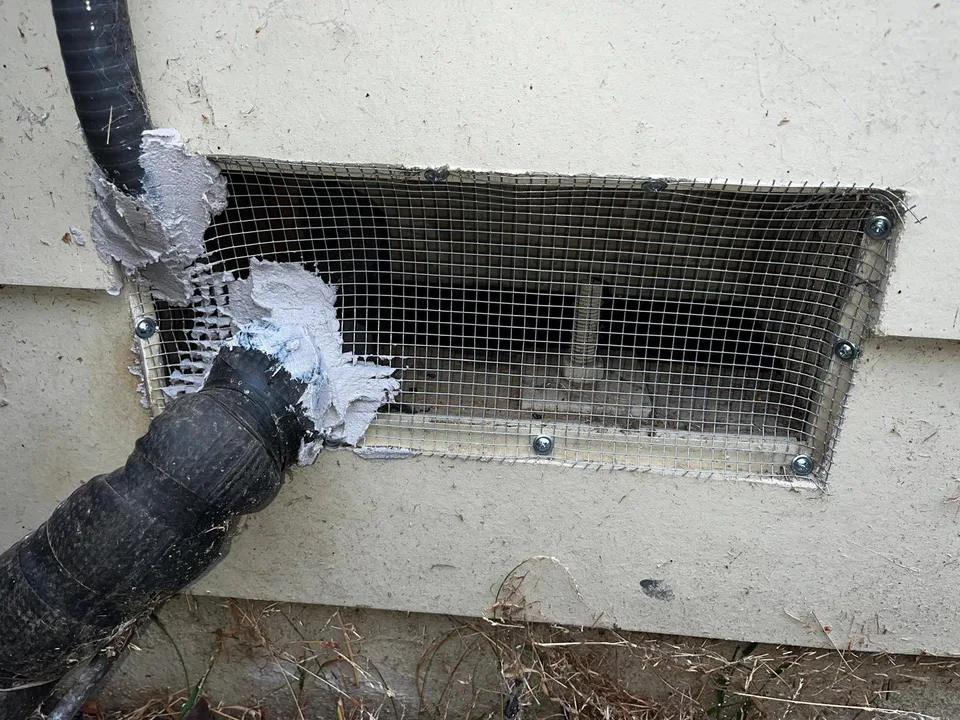
- Seal. Galvanized steel mesh goes over each foundation vent, screwed in place, so air still moves. Gaps around pipes and wires get mesh and putty, and openings in concrete or masonry get concrete.
- Trap. Snap traps for rats and mice where we see signs of travel, and humane live traps where needed for larger animals.
- Check back. We return at least two weeks after the job to check the traps.
Rodent proofing comes with a warranty. The terms are written in your proposal and on your invoice. See rodent proofing and sealing outside openings.
Why seal before you clean?
If you clean first, rats still getting in will soil the new vapor barrier and batts. Sealing first keeps the cleanup clean. You can still book crawl space cleaning on its own; at the inspection we show you any open entry points so you can decide.
What does a crawl space cleanup involve?
- Your home protected. The crew covers the path from the front door to the work areas with drop cloths or plastic sheeting.
- Cleanout. Droppings, nests, debris and fallen or soiled batts come out, and we haul them away.
- Sanitation. The crawl space is sanitized after the cleanout.
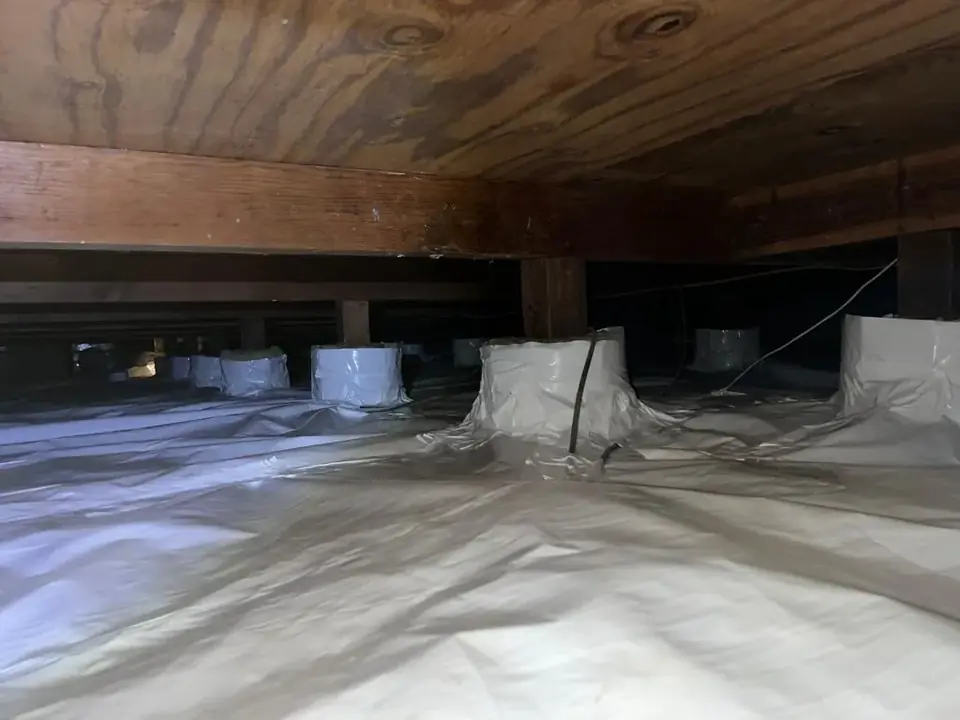
- Vapor barrier. White, reinforced sheeting over the soil, in 10, 16 or 20 mil. See vapor barrier.
- New batts. Usually R-19 between the floor joists, held up with metal wire supports. See batt insulation.
- Ducts, if chewed. We replace the whole system with new flexible insulated ducts, in the same visit. See air duct replacement.
The crew takes before and after photos and sends them to you. We don’t encapsulate crawl spaces: the vents stay open and screened.
Why check now, before the rains?
UC says rats are active all year, and that house mice often move into homes in autumn, when nights get colder (UC IPM house mouse guide). Fall is a good time to walk around the foundation and fix what you find, before winter rain makes the crawl space wet and muddy.
How long does it take?
Rodent proofing usually takes up to half a day when no insulation needs replacing. With insulation replacement, it usually takes one day. Crawl space cleaning usually takes one day too. You need to be home on the job day, and it helps to clear the path to the work areas of breakable items.
What we see on real jobs
Under homes in San Jose, Sunnyvale and Mountain View, the same problems come up:
- Foundation vents with torn or missing screens.
- Open gaps where pipes and wires pass through the foundation.
- Batts pulled down from the floor joists, with droppings on the soil.
- Old plastic sheeting that is torn or missing.
Hearing noises under the floor? Book a free inspection or call 1-408-664-9888. You get photos of what we find and a written quote the same day, usually within 30–60 minutes.