
What is the scratching sound inside my walls?
Most of the time it is a mouse or a rat moving through the hollow space between the studs. Rodents use the inside of your walls as hallways between the crawl space, the garage and the attic.
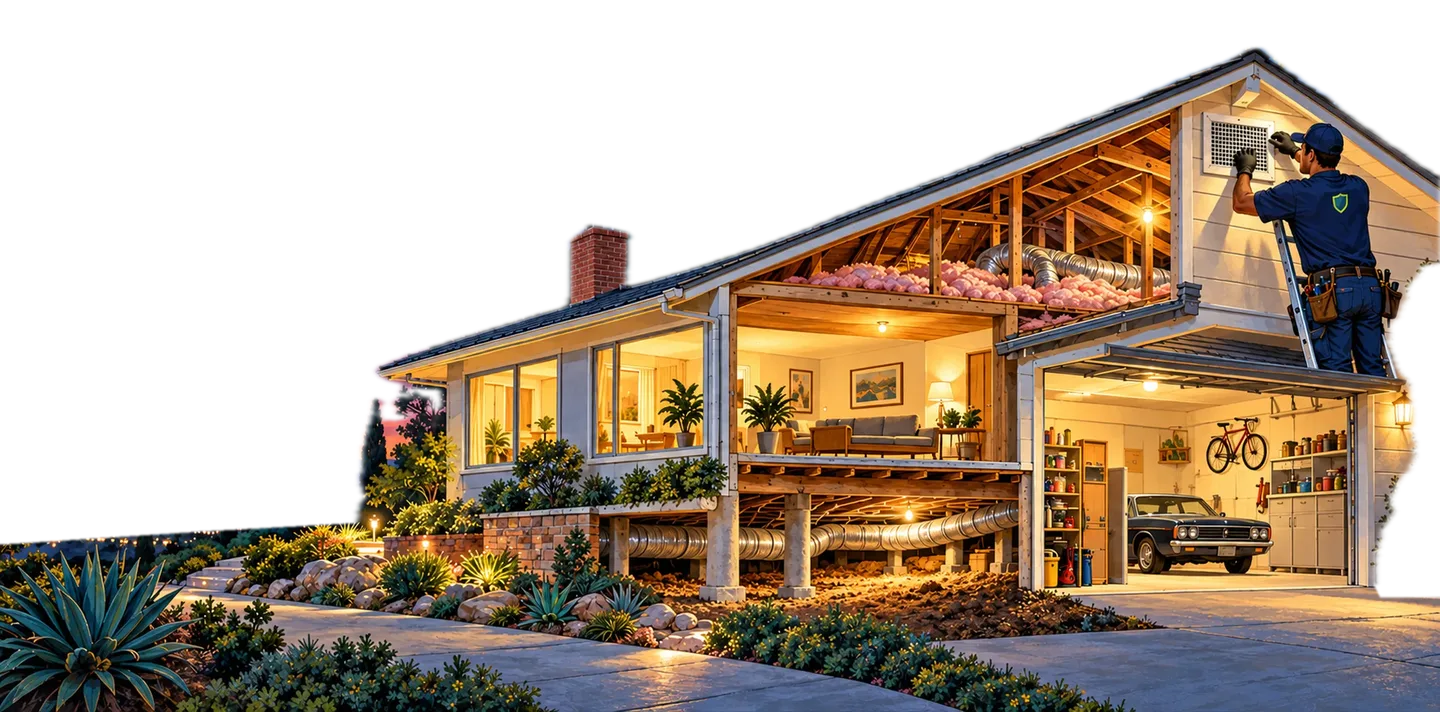
Walls are dark, warm and protected, and they connect to almost every part of the house. Pipes, wires and ducts all pass through them, and the gaps around those lines give rodents a way in and a way up.
Is it mice, rats or squirrels?
The sound and the time of day are the best clues. Use them as a first guess, then look for droppings and entry points to be sure.
- Mice: light, quick scratching and tiny running sounds, mostly at night. Mice fit through very small gaps, so they reach deep inside walls.
- Rats: heavier scratching, gnawing and scurrying, also mostly at night. UC Integrated Pest Management notes that roof rats often nest in wall voids and attics.
- Squirrels: scratching and running during the day, often early morning, usually in the upper walls near the roofline.
If the sound moves up and down, or seems to come from the ceiling one night and a wall the next, that is a rodent traveling its usual route. Our post on noises in the attic at night goes deeper on telling the animals apart.
Could it be something other than an animal?
Yes. Houses make their own noises. Pipes tick as hot water runs through them, ducts pop as they warm up and cool down, and wood framing creaks as the temperature changes.
The difference is the pattern. House noises tend to follow the heater, the AC or the hot water, and they come from the same spot each time. Animal noise is irregular. It starts and stops, moves around, and often comes with gnawing or a soft thump. If you hear scratching while the heat and the water are both off, it is almost certainly an animal.
How did they get inside the walls?
Usually from below or from above. Rodents get under the house through a weak foundation vent, or into the garage through a gap at the door, then climb up through the wall cavities.
Others come in high, through gaps at the eaves or roof, and work their way down. The CDC lists the places to check, including the gaps around pipes under sinks and behind appliances, around water heater and furnace lines, and wherever electrical, gas and cable lines enter the house. Our guide on how rats and mice get in covers the common entry points one by one.
Should I cut a hole in the wall to find it?
We don’t recommend it. By the time you cut, the animal has usually moved on, and the hole you made becomes one more opening for it to use.
The noise tells you the walls are being used as a path. It doesn’t tell you where the animals get into the house, and that is the part that has to be fixed. Sealing the openings and trapping the rodents left inside ends the noise without opening up your walls.
What if there is a bad smell coming from the wall?
A strong, rotten smell that shows up suddenly usually means a rodent died inside the wall. This often happens after someone puts out poison bait, because the rodent eats it and then crawls somewhere hidden.
The smell fades as the remains dry out, but how long that takes varies, and warm weather makes it worse. If you find a dead rodent you can reach, the CDC says to wear gloves, spray it with disinfectant, double-bag it and wash your hands well afterward. It is one of the reasons we don’t use poison.
What should I do right now?
Write down when you hear the noise and where, check the garage and the outside of the house for signs, and skip the poison. Then book an inspection to find the ways in.
- Look for small dark droppings in the garage, under sinks and behind the fridge or the washer.
- Walk around the house and look at every foundation vent: screens should be whole and tight.
- Check where pipes, wires and AC lines go into the walls.
- Keep food, pet food and birdseed sealed and off the floor.
How do you stop the noises in the walls?
By sealing every way into the house and catching the rodents that are already inside. Once no new ones can get in, the noise stops.
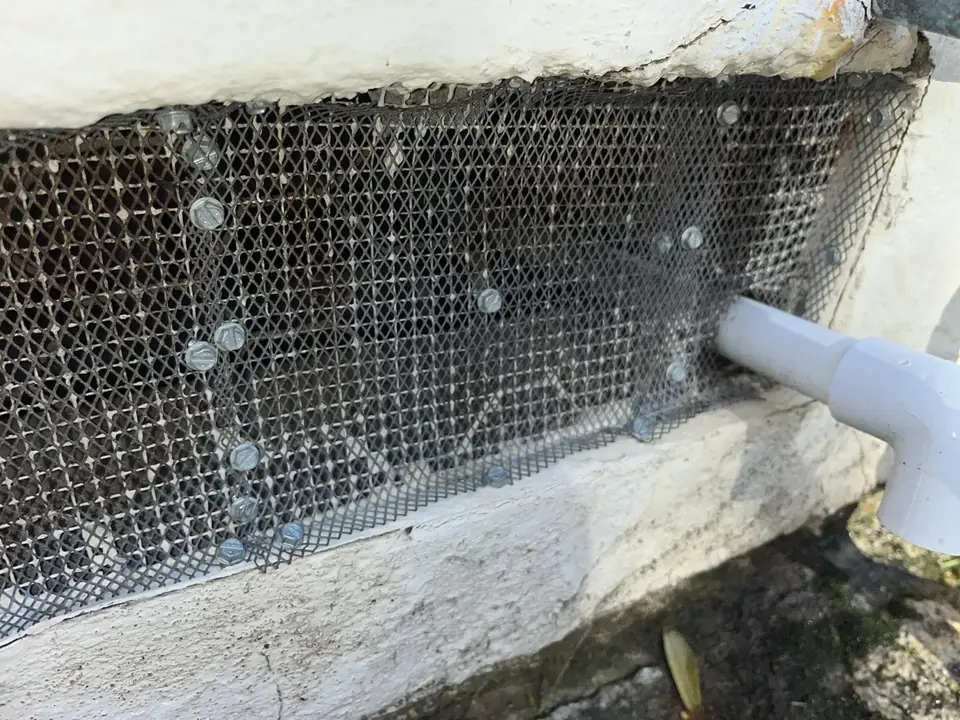
We seal the openings inside the attic, crawl space and garage, and outside at the vents, eaves and roof gaps. We use galvanized steel mesh, putty and concrete, materials rodents can’t chew through. Then we set snap traps for rats and mice, and live traps for larger animals like squirrels. A little noise in the first days can be normal while the last ones look for a way out. We come back at least two weeks after the job to check the traps. See rodent proofing and sealing outside openings.
What we see on real jobs
When homeowners in Santa Clara, Milpitas or Sunnyvale call about scratching in the walls, the inspection usually finds:
- Gaps around pipes and wires where they pass from the crawl space or garage into the walls.
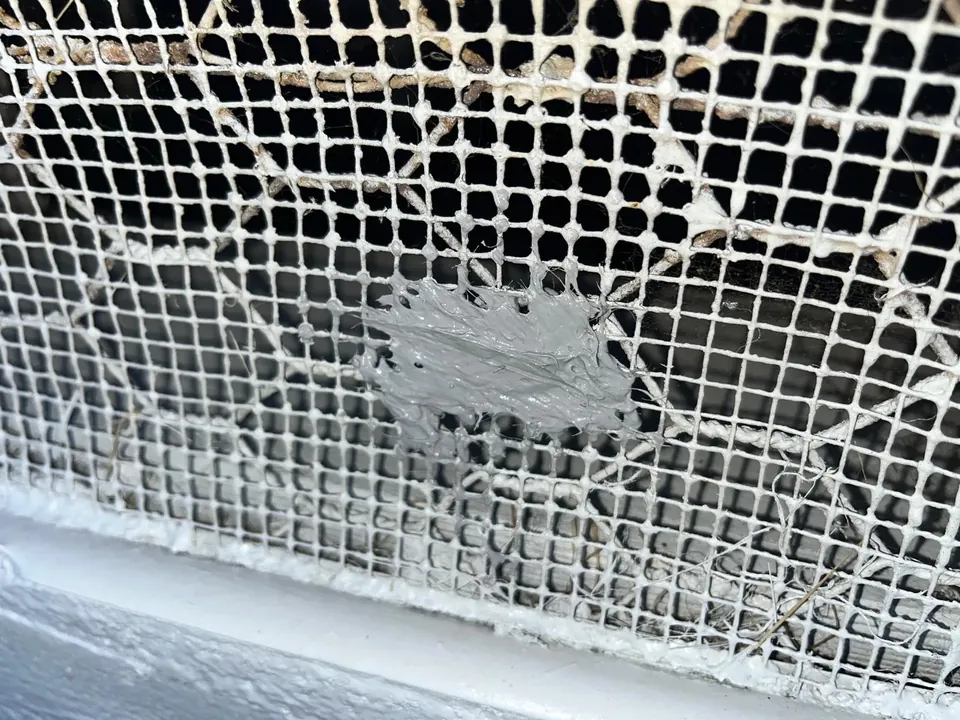
- Foundation vents with torn or rusted screens.
- Droppings in the crawl space or the garage, close to where the walls begin.
- Openings at the eaves and roof that lead into the upper walls.
If rodents have been living under the house, the crawl space may need cleaning too; see crawl space cleaning. Hearing scratching tonight? Book a free inspection, or call us. We check the attic, crawl space, garage and the openings outside, and send a written quote the same day.