

Why do I keep catching rats, but more keep coming?
Because the way in is still open. Every rat you catch leaves room for the next one, and as long as the openings stay open, they keep coming.
Your attic, crawl space or garage is warm, dry and safe, and there is usually food nearby, from fruit trees to pet food to birdseed. UC Integrated Pest Management notes that when food, water and shelter are available, rat numbers can grow quickly. Trapping alone works against that every single night.
What do traps actually do well?
Traps remove the rodents that are already inside. That is an important job, just not the whole job.
UC IPM calls snap traps the safest, most effective and most economical way to trap rats. It also points out that rats often avoid new traps for the first several days, sometimes weeks. So even good trapping takes time, and it never stops a new rat from walking in through an open vent.
What actually ends a rodent problem?
Sealing every way in. UC IPM calls exclusion, keeping rats out of the building, the most successful and longest-lasting way to control rats around homes.
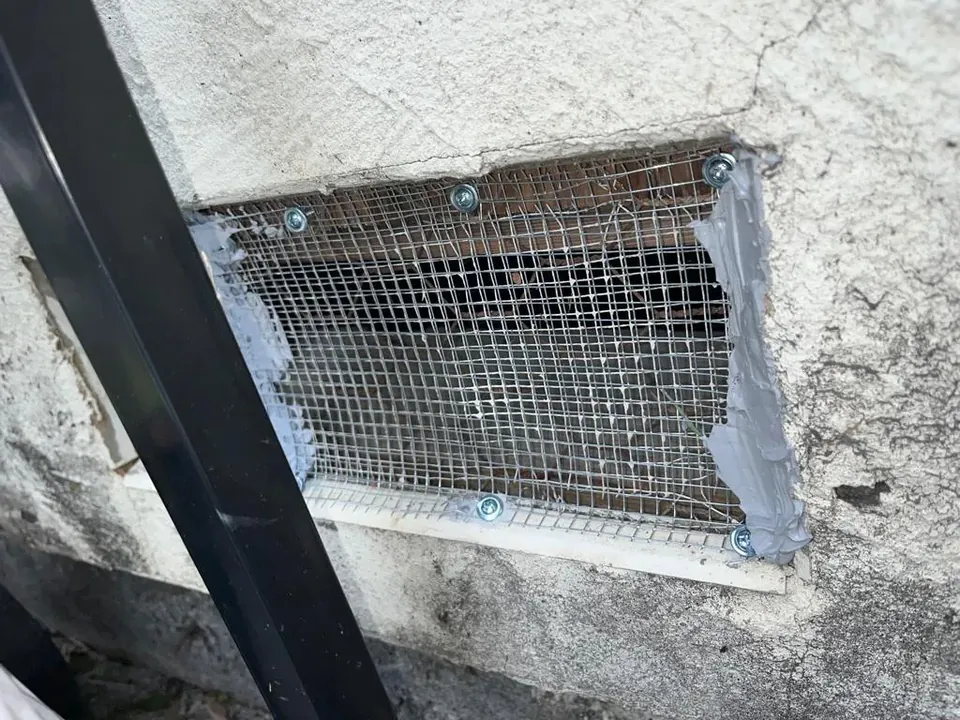
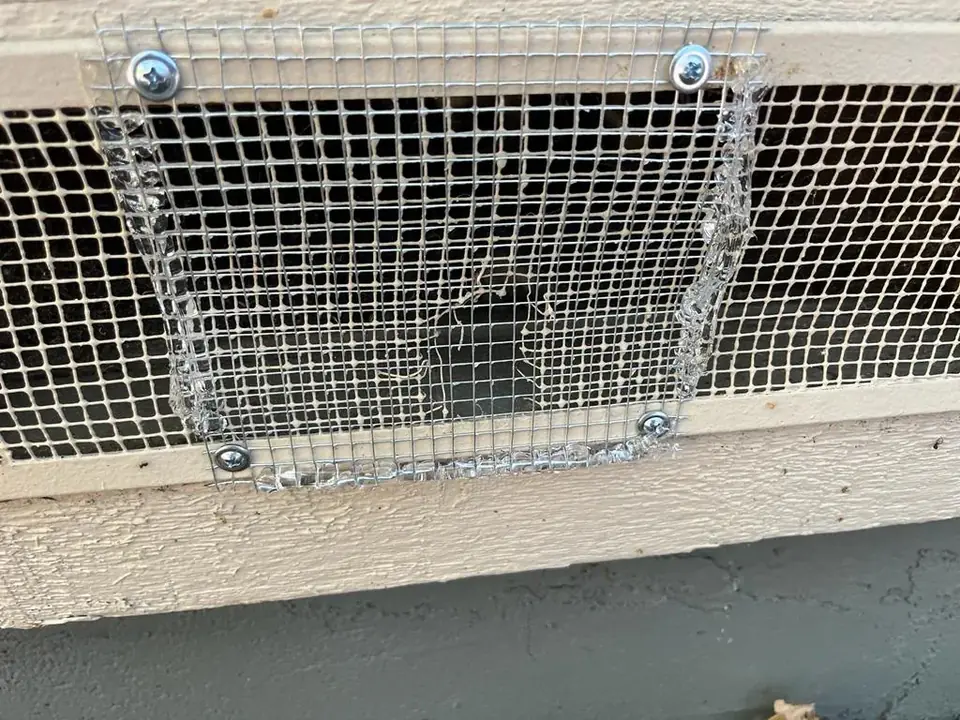
That means finding and closing the openings inside the attic, crawl space and garage, and outside at the vents, eaves and roof gaps. We seal with galvanized steel mesh, putty and concrete, because rodents chew through soft materials. Once the house is sealed, the traps only have to catch the ones left inside, and no new ones replace them.
What about poison bait?
We don’t use it. Poison doesn’t close a single opening, and it brings new problems with it.
- A poisoned rodent often dies somewhere hidden, like inside a wall or under the floor, and the smell can last a while.
- UC IPM warns that all rodent baits are toxic to pets, and that pets and wildlife can be poisoned by eating a poisoned rat.
- UC IPM also notes that California now prohibits most uses of anticoagulant rodenticides, the common type of rat poison.
If you notice a smell like something died, our post on scratching and smells in the walls explains what to do.
In what order should it be done?
Inspect, seal, trap, check, then clean. Doing it in this order is what keeps the problem from coming back.
- Inspect: find every opening, inside and outside, and look at the damage.
- Seal: close the openings with galvanized steel mesh, putty and concrete.
- Trap: catch the rodents still inside the house.
- Check: come back to check the traps once they have had time to work.
- Clean: remove droppings, nests and soiled insulation, sanitize, and put in new insulation if needed.
Our guide on how to seal rat and mouse entry points covers the sealing step in detail.
Which traps do you use?
Snap traps for rats and mice, and live traps for larger animals like raccoons, squirrels, opossums and skunks.
Traps go where the signs show the animals travel, in the attic, the crawl space or the garage. We come back at least two weeks after the job to check them; that visit is included.
How do I know the problem is really over?
The noises stop, no new droppings show up, and the traps stay empty. Those three together tell you the house is sealed and the rodents inside are gone.
A little noise in the first days after sealing can be normal, because the rodents still inside are looking for a way out. If you hear noises again later, it usually means a new opening appeared, often after other work on the house, like a new cable line through a wall or roof repairs. Rodent proofing comes with a warranty, written on your invoice, and the office can walk you through what it covers.
Do I need attic cleaning after the rodents are gone?
Often, yes. Months of droppings, urine and nests stay in the insulation after the last rodent is caught.
That material comes out, the attic is sanitized, and fresh insulation goes in if you want it. See attic cleaning and what attic cleaning after rodents includes.
Why did my traps stop catching anything?
Either the rodents are gone, or they have learned to avoid the traps. Rats in particular are cautious around new objects.
UC IPM describes this as a fear of new objects and notes it is stronger in roof rats than in Norway rats. Its advice is to leave traps baited but unset until the bait has been taken several times. Empty traps alone don’t prove the problem is over. The real test is no new droppings and no noise once the house is sealed.
How do I handle a trapped rodent safely?
Wear rubber or plastic gloves, and don’t touch the rodent with bare hands. The CDC says to soak the trap and the rodent in disinfectant for 5 minutes, then put them in a plastic bag, seal it, and wash your hands well afterward.
The CDC also notes that snap traps can be reused once they are disinfected. A larger animal in a live trap is a different matter: don’t try to handle it yourself.
What we see on real jobs
Many of the homeowners who call us in Fremont, Mountain View and Los Gatos have already been trapping for a while. What we find is usually the same:
- Traps set in the attic or garage, with rodents still coming in.
- Several openings, low at the foundation vents and high at the eaves and roof.
- Old patches of soft material that have been chewed through.
Rodent proofing without insulation replacement is up to a half-day job; with insulation replacement, it is a one-day job. See rodent proofing and sealing outside openings. Tired of emptying traps? Book a free inspection or call us, and get a written quote the same day.